
 MaterialMagnesium chlorideView details
 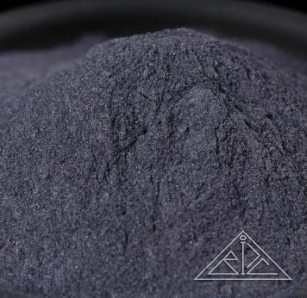 PRODUCT PHOTO / PROVISIONAL
01 Chemical products
Molybdenum disulfide.
Technical information on Molybdenum disulfide. Material data and supply forms on request.
Inquire about product02 Product information
Details on
Molybdenum disulfide.
Molibdenum disulfide MoS2
CAS 1317-33-5Marks:
Chemical:
Packaging:
Application of molybdenum disulfide.
1. It is used as an alloying additive to various alloys, including high-quality steels. Molybdenum and molybdenum alloys are used in parts that work for a long time in vacuum up to 1800 ° C (in rocket nozzles and in electrovacuum devices), as a structural material in power nuclear reactors, for the manufacture of equipment operating in aggressive environments. Molybdenum wire (ribbon) serves for the manufacture of high-temperature furnaces, electric current inputs in light bulbs.
2. For the manufacture of the skin of the head parts of missiles and aircraft refractory metals and alloys based on them are used in two versions. These metals serve only as heat shields, which are separated from the main structural material by thermal insulation. Also, these metals and their alloys serve as the main structural material. That is, molybdenum and niobium and their alloys, which have a greater specific strength of up to 1370 ° C, are the most common for the manufacture of shells and frame elements of rockets and supersonic aircraft, compared with tantalum, tungsten and alloys based on them.
3. Molybdenum is made of cellular panels of spacecraft, heat exchangers, shells of rockets and capsules returning to the ground, heat shields, covering the edges of wings and stabilizers in supersonic aircraft. In very difficult conditions, some parts of direct-flow rocket and turbojet engines (turbine blades, tail skirts, nozzle valves, rocket engine nozzles, control surfaces in solid fuel rockets) work. At the same time, the material requires not only high resistance to oxidation and gas erosion, but also high long-term strength and shock resistance. At temperatures below 1370°C, molybdenum and its alloys are used to manufacture these parts.
4. Molybdenum is widely used in the glass industry, in particular for the manufacture of electrodes for smelting glass. Currently, molybdenum alloys are made of molds and rods of injection molding machines under pressure of aluminum, zinc and copper alloys. The high strength and hardness of molybdenum alloys at elevated temperatures led to their use as a tool for hot processing of steels and alloys with pressure.
5. Molybdenum significantly improves the properties of steels. Molybdenum additive significantly increases their hardening. Small additives Mo (0.15-0.8%) in structural steels so increase their strength, viscosity and corrosion resistance that they are used in the manufacture of the most important parts and products. To increase hardness, molybdenum is introduced into alloys of cobalt and chromium (stellite), which are used to weld the edges of parts from ordinary steel working for wear (erasure). It is also part of a number of heat-resistant and acid-resistant alloys based on nickel, cobalt and chromium.
6. Molybdenum in its pure form is used as a tape or wire, as heating elements of electric furnaces operating in a hydrogen atmosphere at temperatures up to 1600 ° C. Molybdenum tin and wire are widely used in the radio-electronic industry and radiography for the manufacture of various parts of electron lamps, X-ray tubes and other vacuum devices.
7. Molybdenum compounds - sulfide, oxides, molybdates - are catalysts for chemical reactions, pigments of dyes, components of glazes. Also molybdenum as a microadditive is part of fertilizers. Molybdenum hexafluoride is used when applying metal molybdenum to various materials. MoSi2 is used as a solid high-temperature lubricant. Pure monocrystalline molybdenum is used to produce mirrors for powerful gas-dynamic lasers. Molybdenum telluride is a very good thermoelectric material for the production of thermoelectric generators (thermo-e.d. with 780 μV/K). Molybdenum trichoxide (molybdenum anhydride) is widely used as a positive electrode in lithium current sources.
8. MoS2 diselenide and MoSe2 molybdenum diselenide are used as a lubricant of rubbing parts operating at temperatures from -45 to +400 ° C. In the paint and light industry, a number of chemical compounds Mo are used for the manufacture of paints and varnishes and for the coloring of fabrics and furs.
9. The last area of application of molybdenum disulfide, the most interesting for most motorists - the addition of molybdenum disulfide to motor oil. It forms layers on metal surfaces that reduce friction. Studies have shown that this kind of oil additives are effective primarily in such industrial units as winches and gearboxes with cylindrical teeth. For high-speed gasoline engines in most cases, the results are negative.
Molybdenum disulfide motor oil is a physical mixture, not a chemical solution. The size of the solid particles of molybdenum disulfide is quite large. When working in the engine, these particles fall not only into the desired areas of friction, but also where such additives are not desirable, for example, in the area of piston rings.
Lubricants containing molybdenum disulfide at high temperatures often lead to coking or deposition of solid combustion products in the area of piston rings, which adversely affects the operation of the CNG (cylinder piston group). The resulting breakthrough of gases into the oil through the zone of piston rings largely leads to high thermal loads and, consequently, to the increased formation of undesirable deposits. This fact explains why motor oils containing molybdenum disulfide are not recommended for use by large automotive companies.
CAS 1317-33-5Marks:
- SFG (1.25-1.6 microns)
- TFG (2.9-3.4 microns)
- TG (6-10 microns)
- LP (38-42 microns)
Chemical:
| Basic substance content | 98,68% |
| Water content | 0,02% |
| Oil content | 0,05% |
| Iron content | 0,20% |
| Contents of MOO3 | 0,05% |
| Lead content | 0,01% |
| Copper content | 0,01% |
| Substances insoluble in acids | 0,5% |
Packaging:
- SFG - 68 kg drums
- TFG, TG, LP - drums of 90.72 kg
Application of molybdenum disulfide.
1. It is used as an alloying additive to various alloys, including high-quality steels. Molybdenum and molybdenum alloys are used in parts that work for a long time in vacuum up to 1800 ° C (in rocket nozzles and in electrovacuum devices), as a structural material in power nuclear reactors, for the manufacture of equipment operating in aggressive environments. Molybdenum wire (ribbon) serves for the manufacture of high-temperature furnaces, electric current inputs in light bulbs.
2. For the manufacture of the skin of the head parts of missiles and aircraft refractory metals and alloys based on them are used in two versions. These metals serve only as heat shields, which are separated from the main structural material by thermal insulation. Also, these metals and their alloys serve as the main structural material. That is, molybdenum and niobium and their alloys, which have a greater specific strength of up to 1370 ° C, are the most common for the manufacture of shells and frame elements of rockets and supersonic aircraft, compared with tantalum, tungsten and alloys based on them.
3. Molybdenum is made of cellular panels of spacecraft, heat exchangers, shells of rockets and capsules returning to the ground, heat shields, covering the edges of wings and stabilizers in supersonic aircraft. In very difficult conditions, some parts of direct-flow rocket and turbojet engines (turbine blades, tail skirts, nozzle valves, rocket engine nozzles, control surfaces in solid fuel rockets) work. At the same time, the material requires not only high resistance to oxidation and gas erosion, but also high long-term strength and shock resistance. At temperatures below 1370°C, molybdenum and its alloys are used to manufacture these parts.
4. Molybdenum is widely used in the glass industry, in particular for the manufacture of electrodes for smelting glass. Currently, molybdenum alloys are made of molds and rods of injection molding machines under pressure of aluminum, zinc and copper alloys. The high strength and hardness of molybdenum alloys at elevated temperatures led to their use as a tool for hot processing of steels and alloys with pressure.
5. Molybdenum significantly improves the properties of steels. Molybdenum additive significantly increases their hardening. Small additives Mo (0.15-0.8%) in structural steels so increase their strength, viscosity and corrosion resistance that they are used in the manufacture of the most important parts and products. To increase hardness, molybdenum is introduced into alloys of cobalt and chromium (stellite), which are used to weld the edges of parts from ordinary steel working for wear (erasure). It is also part of a number of heat-resistant and acid-resistant alloys based on nickel, cobalt and chromium.
6. Molybdenum in its pure form is used as a tape or wire, as heating elements of electric furnaces operating in a hydrogen atmosphere at temperatures up to 1600 ° C. Molybdenum tin and wire are widely used in the radio-electronic industry and radiography for the manufacture of various parts of electron lamps, X-ray tubes and other vacuum devices.
7. Molybdenum compounds - sulfide, oxides, molybdates - are catalysts for chemical reactions, pigments of dyes, components of glazes. Also molybdenum as a microadditive is part of fertilizers. Molybdenum hexafluoride is used when applying metal molybdenum to various materials. MoSi2 is used as a solid high-temperature lubricant. Pure monocrystalline molybdenum is used to produce mirrors for powerful gas-dynamic lasers. Molybdenum telluride is a very good thermoelectric material for the production of thermoelectric generators (thermo-e.d. with 780 μV/K). Molybdenum trichoxide (molybdenum anhydride) is widely used as a positive electrode in lithium current sources.
8. MoS2 diselenide and MoSe2 molybdenum diselenide are used as a lubricant of rubbing parts operating at temperatures from -45 to +400 ° C. In the paint and light industry, a number of chemical compounds Mo are used for the manufacture of paints and varnishes and for the coloring of fabrics and furs.
9. The last area of application of molybdenum disulfide, the most interesting for most motorists - the addition of molybdenum disulfide to motor oil. It forms layers on metal surfaces that reduce friction. Studies have shown that this kind of oil additives are effective primarily in such industrial units as winches and gearboxes with cylindrical teeth. For high-speed gasoline engines in most cases, the results are negative.
Molybdenum disulfide motor oil is a physical mixture, not a chemical solution. The size of the solid particles of molybdenum disulfide is quite large. When working in the engine, these particles fall not only into the desired areas of friction, but also where such additives are not desirable, for example, in the area of piston rings.
Lubricants containing molybdenum disulfide at high temperatures often lead to coking or deposition of solid combustion products in the area of piston rings, which adversely affects the operation of the CNG (cylinder piston group). The resulting breakthrough of gases into the oil through the zone of piston rings largely leads to high thermal loads and, consequently, to the increased formation of undesirable deposits. This fact explains why motor oils containing molybdenum disulfide are not recommended for use by large automotive companies.
Important for sourcingPurity, form, quantity and timing help us assess your inquiry.
03 More materials
Also of interest.
MaterialMagnesium chlorideView details  MaterialAmmonium molybdateView details
  MaterialBismuth nitrateView details
 04 Inquiry
Your material.
Your specification.
Tell us the required purity, form and quantity so we can assess your request.